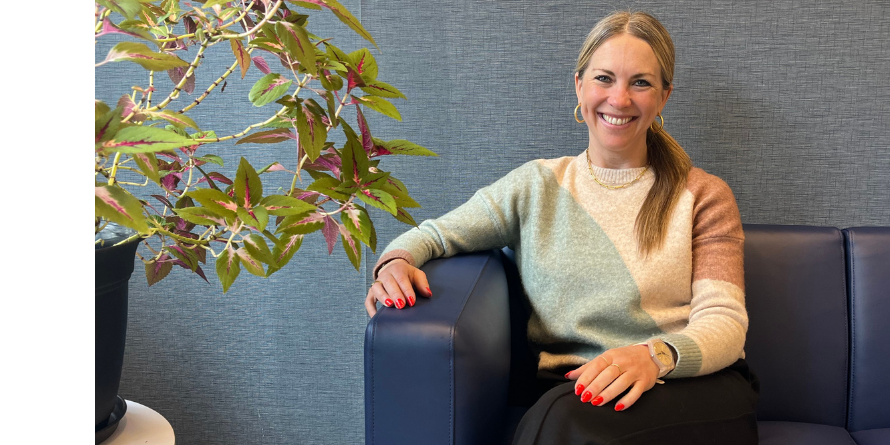
Staff Q&A: Margo Stoner
When Margo Stoner first arrived at Project Renewal as an occupational therapy intern in 2016, she couldn’t have known she was beginning a career that would grow alongside one of the organization’s most innovative programs. In 2017 Margo joined the staff full time, the very day Project Renewal’s HOPE (Helping Older People Engage) program launched. Since then, Margo has helped shape how occupational therapy supports clients in reclaiming their lives and aging with dignity. She often says that HOPE raised her.
We sat down with Margo, now Project Renewal’s Director of Occupational Therapy, to talk about the role of OT in social services, building community and self-worth, and the transformative power of helping people continue to grow at every stage of life.
Q: Let’s start by clearing up any misconceptions the average person might have about occupational therapy (OT). What is it and why is it central to Project Renewal’s work?
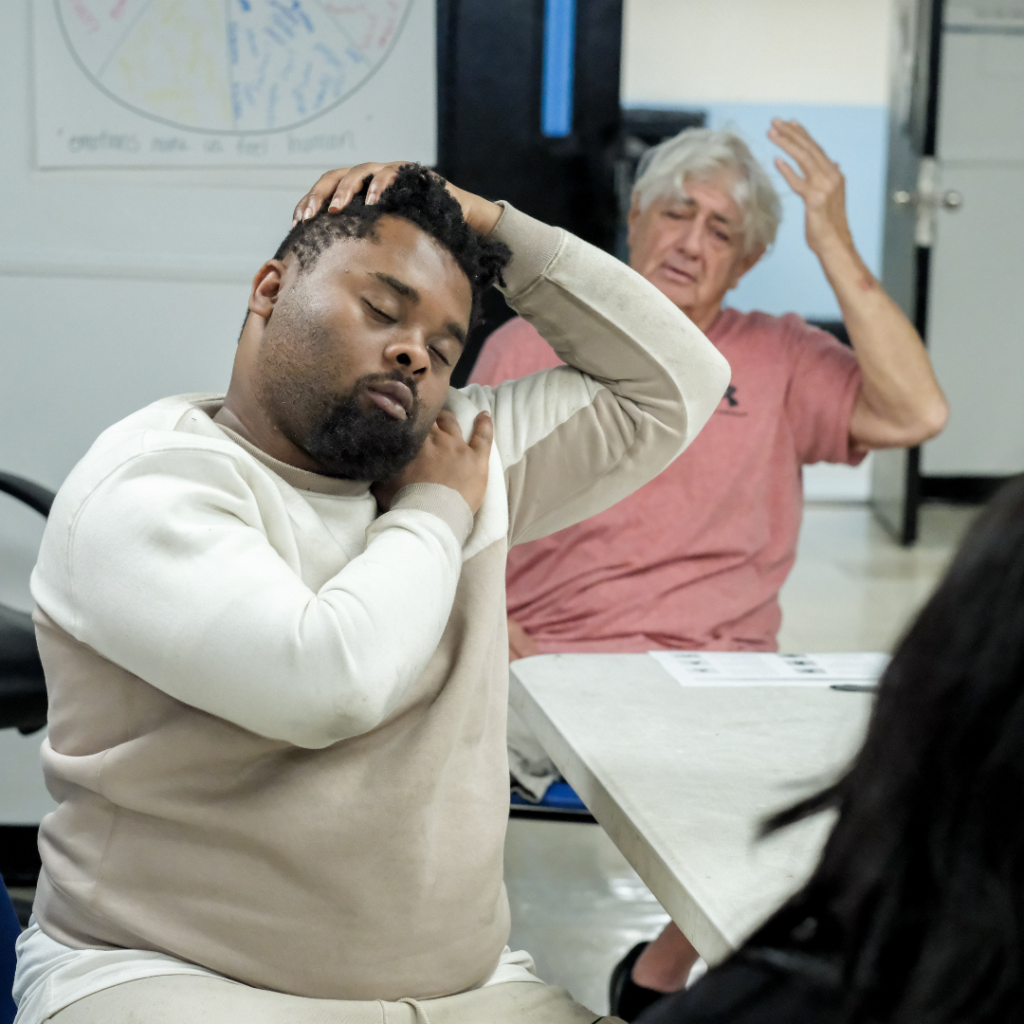
A: Occupational therapy at Project Renewal is designed to help individuals develop or improve life skills that enable them to be productive members of their communities or society.
People tend to get confused about occupational therapy because they see it as similar to physical therapy. And it can be! Occupational therapists who work in a physical disability setting are working with patients who don’t have a life skill because it’s been disrupted by a physical injury.
Occupational therapists in behavioral health, which is what we practice at Project Renewal, work with individuals who may not have life skills because they’ve never had the opportunity to develop them due to marginalization and systemic injustice. Or perhaps they are dealing with a serious mental illness, traumatic brain injury, or acute or chronic trauma, to name of few. Many people who come to Project Renewal have had these kinds of experiences, and OT is very effective at helping them develop the skills they need to navigate life.
Q: Skill building is obviously a goal we have for our clients. But often what I see occupational therapists actually doing is building a sense of community. Can you explain why that’s important?
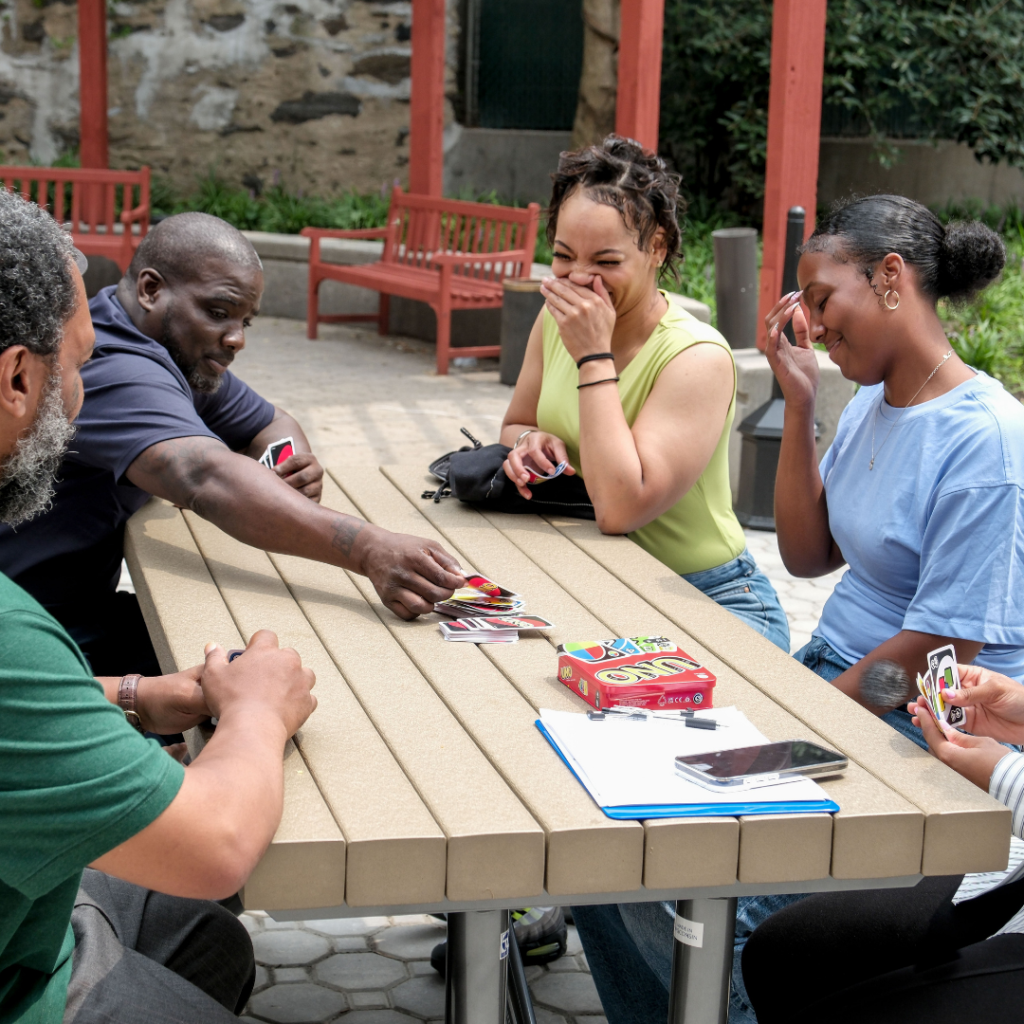
A: I speak with the OT team often about the idea of self-efficacy versus self-worth. Self efficacy is the concept that we believe we can achieve something or complete a task. But in order to have that sense, you first need to have self-worth, right? That inherently because you’re a human being, you matter. You have value. And you belong. So that is the start of the OT treatment process. From there, people can participate in the mission of the agency, which is reclaiming their life.
“Self efficacy is the concept that we believe we can achieve something or complete a task. But in order to have that sense, you first need to have self-worth, right? That inherently because you’re a human being, you matter.”
Q: Can you give a concrete example of how occupational therapy builds self-worth?
A: Of course! One of the ways we do this is for regular group participants at any of our sites, we will acknowledge their birthday. So what we’ll do is highlight something very unique about their character that we want to celebrate. We may say something like, “You’re always perfectly color coordinated when you come to group” or “You’re a trivia whiz in space and anatomy!” Just highlighting their individuality, so they feel seen.
Q: I love that! Let’s switch gears to talk about Project Renewal’s HOPE program. How does occupational therapy help folks age with dignity?
A: We started HOPE (Helping Older People Engage) in September of 2017 at Geffner House, one of Project Renewal’s permanent housing programs. Since then, over 140 residents have deeply engaged with us and seen great outcomes. In 2023, we expanded the program to St. Nicholas House, where we’ve served about 47 older adults so far.
One of my favorite things is when a tenant we’ve known for years comes into our office and proclaims that they’re 60 and they’re so stoked because they want to be a part of HOPE. It’s amazing and it happens all the time. There can be such a stigma attached to getting older, but through HOPE we’ve really shaken up what it means to age and added a lot of joy into the process!
When we think about life transformation, we usually think about youth. But to see somebody who’s lived 70 years have the chance to reinvent themselves and develop a sense of their legacy as positive is so beautiful.
Related Stories
-
Mr. Graves
"The day I stepped into New York, I never looked back. People are so proud of me—and I’m proud of me too.." -
Lorraine
"Sometimes it’s not just medicine that heals a person. It's sitting down, talking with them, understanding them, and letting them take control." -
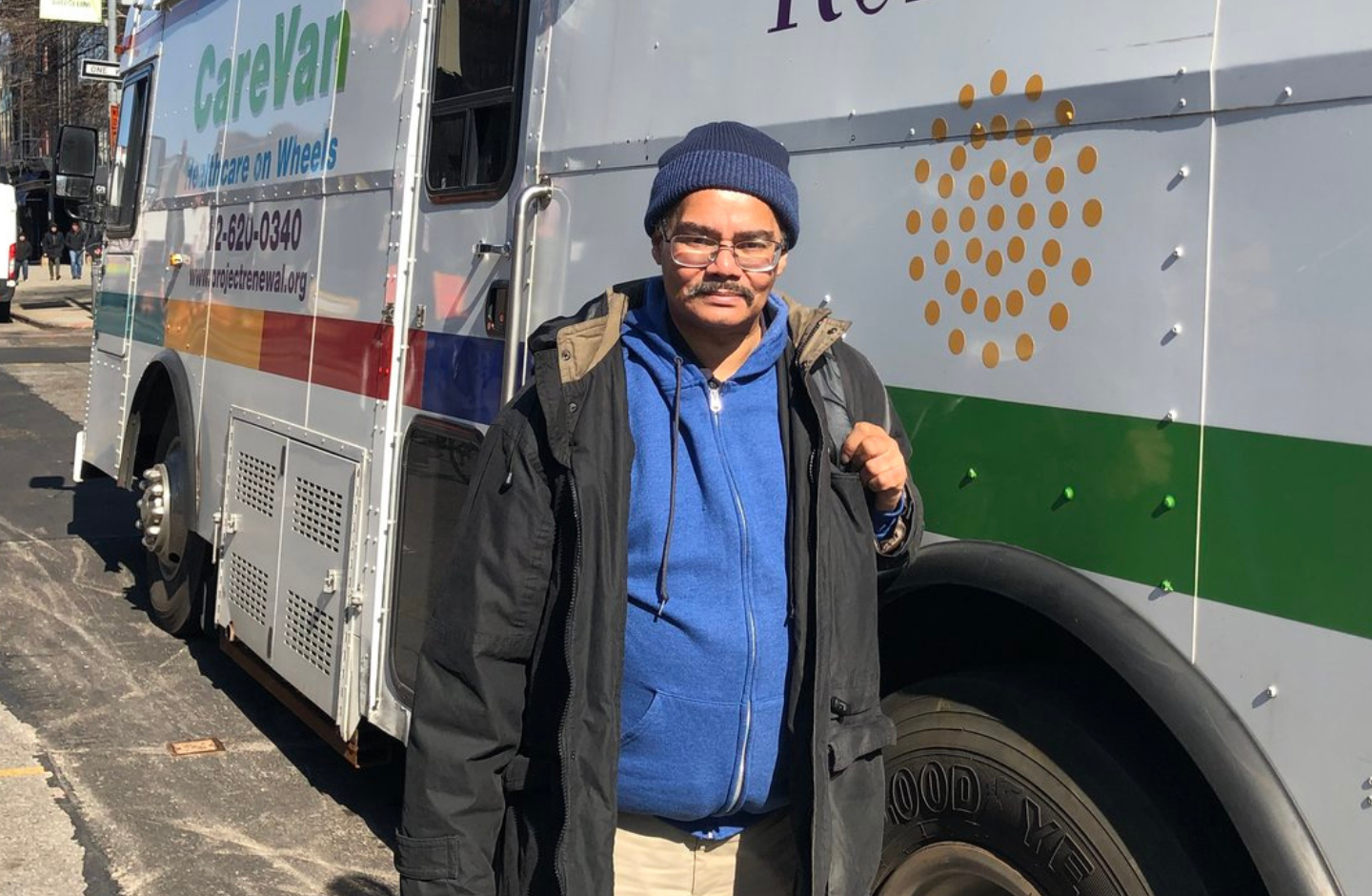
Peter
“A lot of homeless people don’t trust hospitals. Project Renewal is different. They treat you with dignity, like a human being. I recommend it to people all the time.”


